DYNE’s QR Code-Based Digital Production Management System

Release time:2026-07-28   Source:   Views:293

Leveraging a QR code-based digital identification system, DYNE Compressor implements coding, scanning, and information integration across the entire supply chain—from raw material intake to finished product shipment. This system integrates data across all stages—including procurement, warehousing, processing, assembly, and quality inspection—to enable precise, end-to-end traceability of components, tooling, workstations, and finished products throughout their entire lifecycle, thereby establishing a standardized, visual, and intelligent production management model.


I. Assigning QR Codes to Incoming Materials and Establishing Source Records

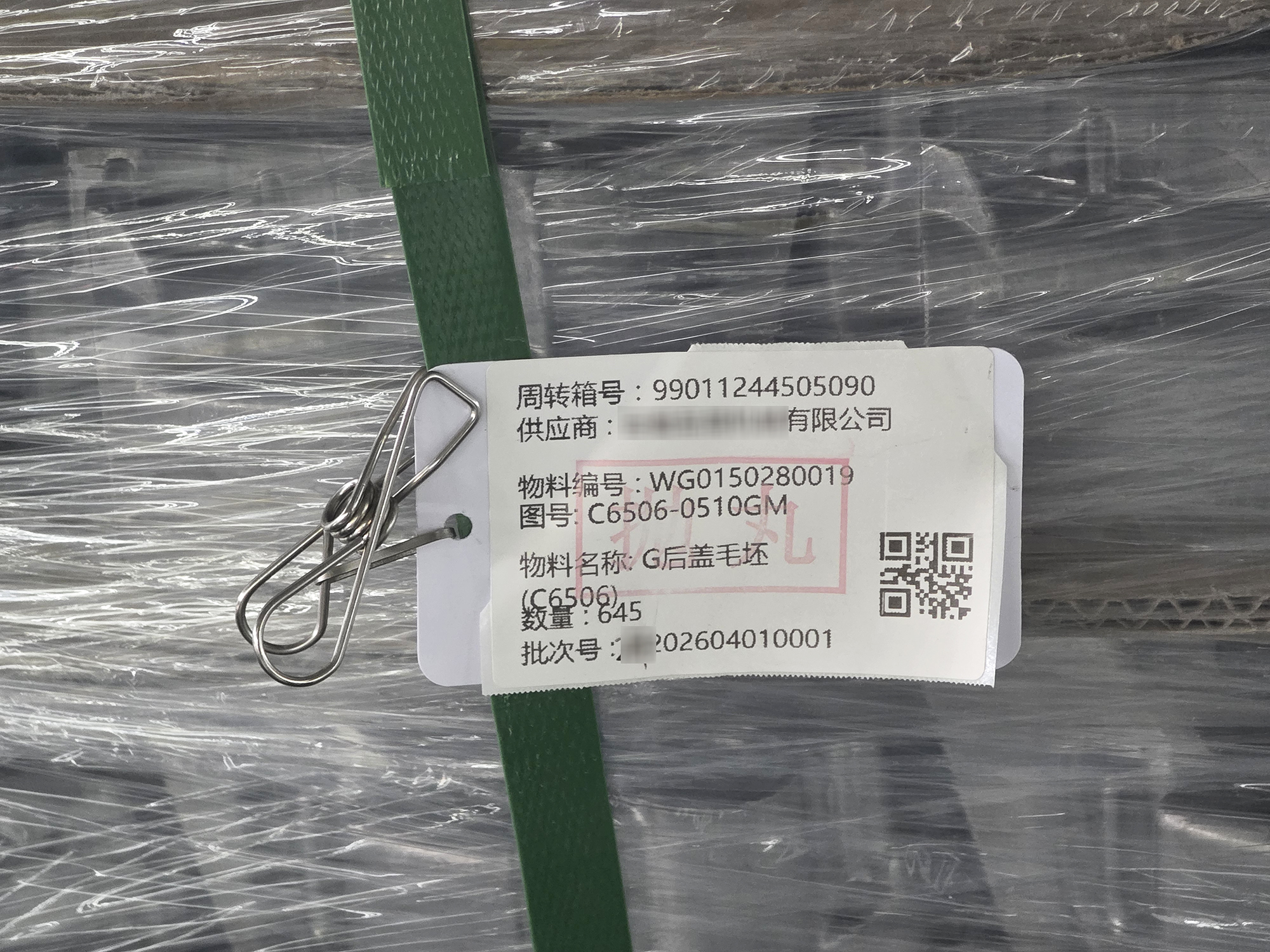
Once customer orders are entered into the system, purchase orders are automatically generated based on the product BOM. When externally procured materials arrive at the factory, they are uniformly assigned unique QR codes containing key information such as order number, product model, supplier, production batch, and quantity received, thereby completing the digital record-keeping of materials at the source. After incoming materials pass quality inspection, the data confirming their acceptance is synchronized and recorded with the corresponding QR code, ensuring that quality information is linked to and retained for the materials.


II. Code Replacement Upon Receipt and Binding to Storage Location Information
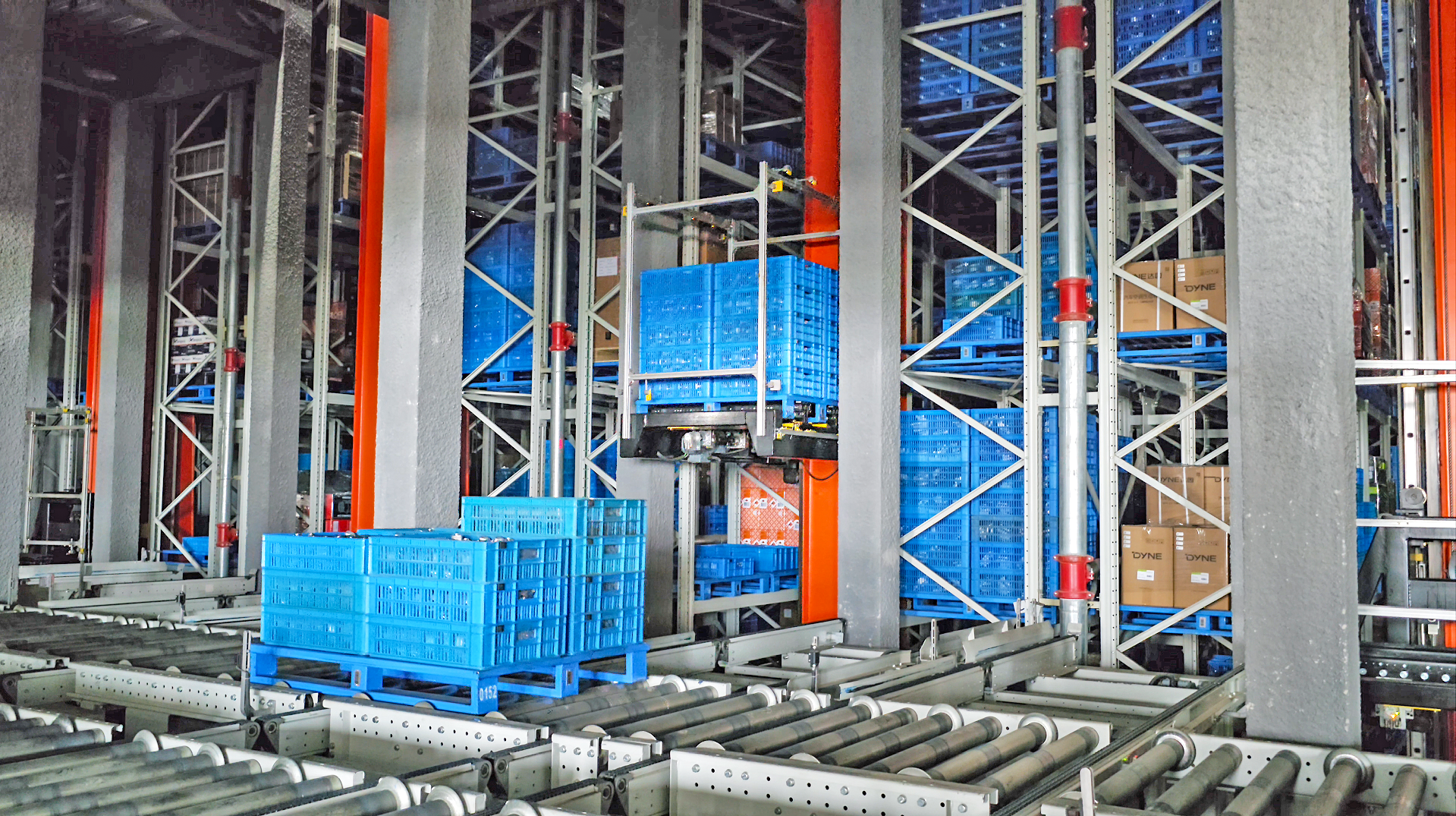
Materials that pass inspection are sorted and put into storage. Based on the storage bin and container, a new QR code is generated. The original material’s basic information is fully transferred, and new storage location data is added to accurately record the material’s storage location. QR code-based location management is implemented throughout the entire facility: warehouse shelf bin codes and floor codes for workshop storage areas. Both personnel and AGV equipment can scan these codes to pinpoint material locations, ensuring precise and efficient material retrieval and storage.


III. Scanning During Processing Steps to Record Comprehensive Processing Data
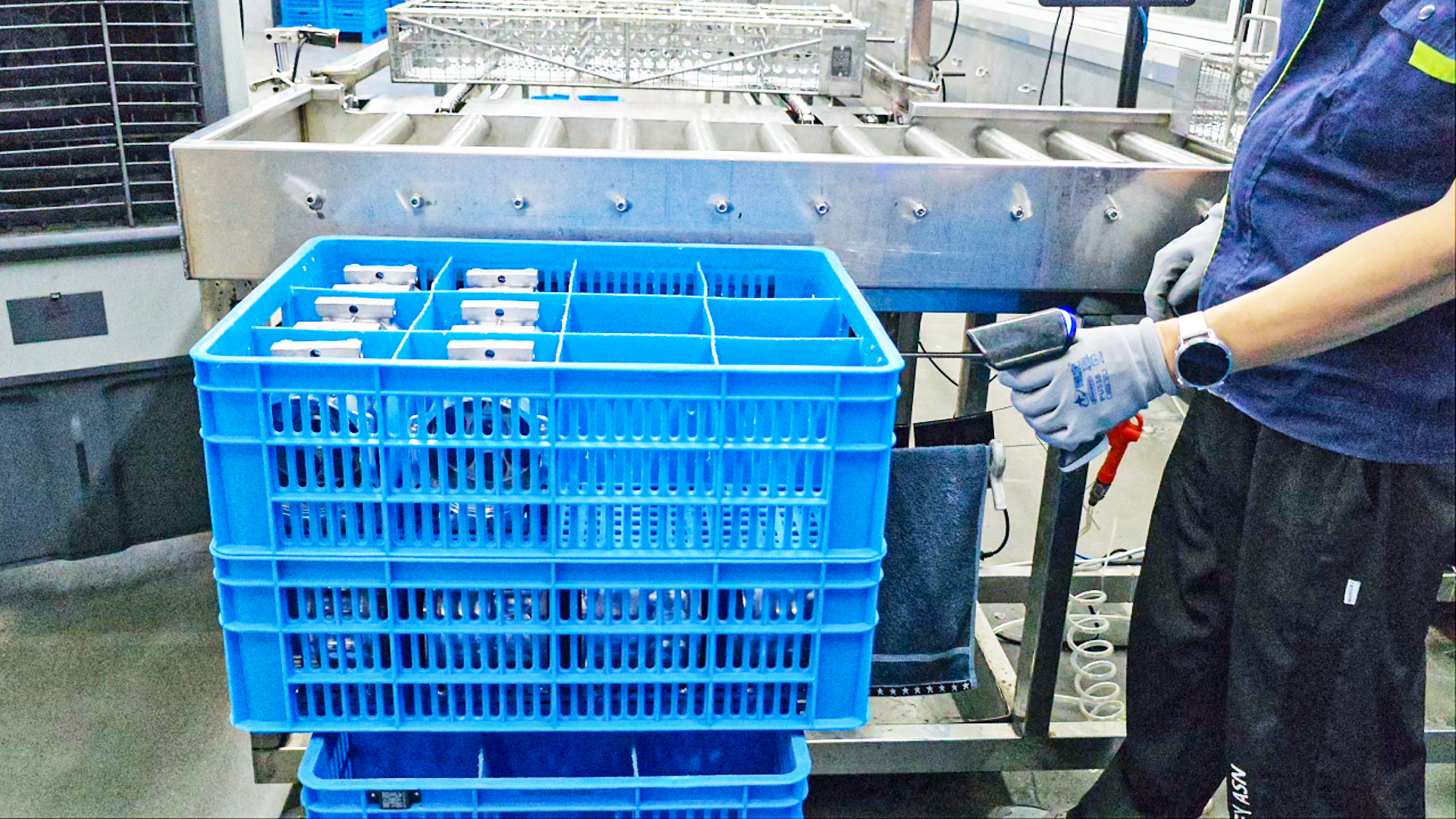
The system retrieves the materials required by the BOM based on production orders. Blanks for housings and structural components are assigned a bin code on a per-bin basis; scanning the bin code before and after processing completes the material information transfer. The new QR code automatically appends production process information such as the processing equipment number, operator, processing date, production batch, and process quality inspection data. Workshop tooling and fixtures are each assigned a unique QR code, enabling full lifecycle ledger management of tooling.


IV. Material Issuance Verification on the Production Line and Binding to the Final Product’s Production Batch
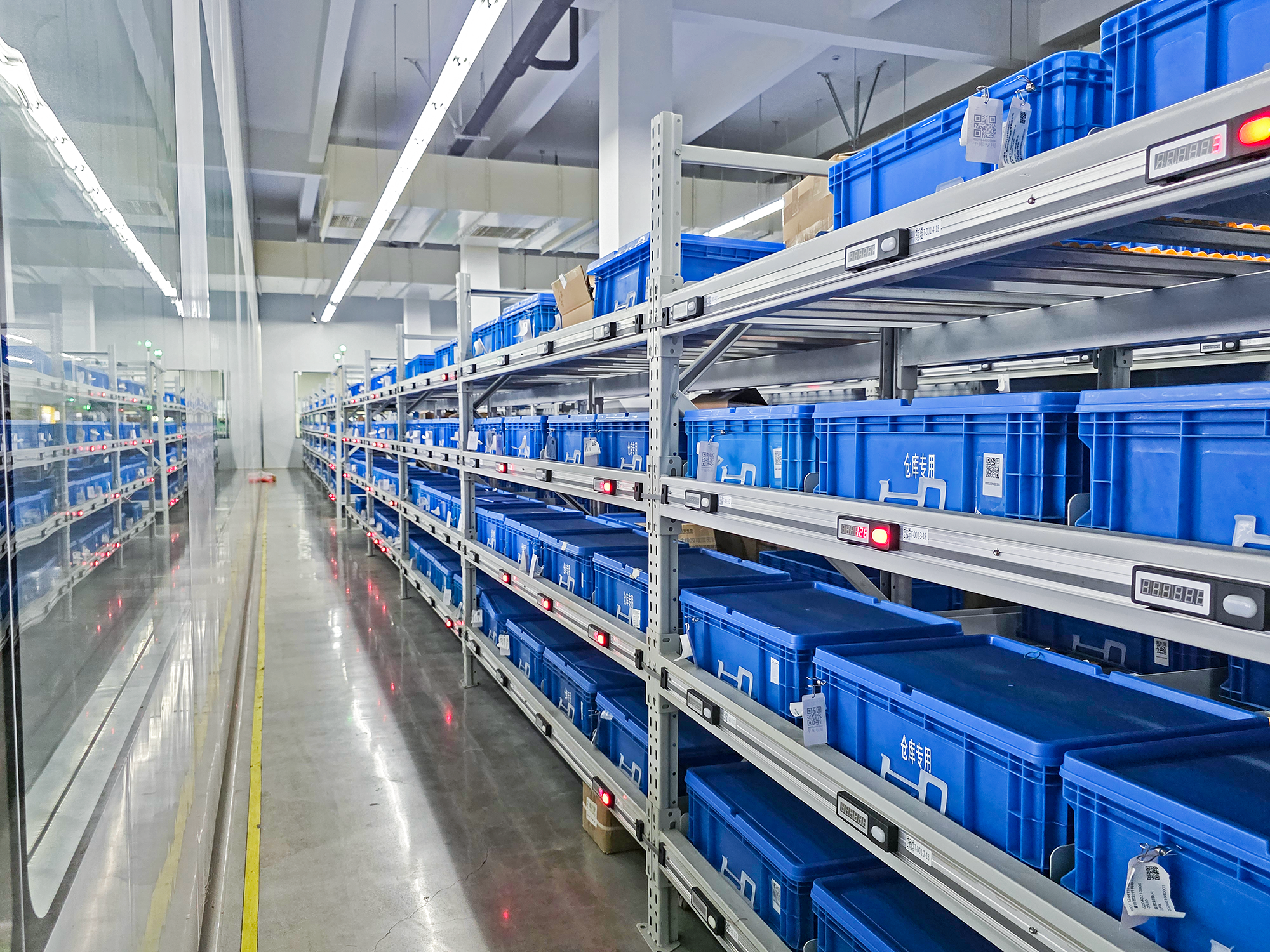
After the assembly workshop issues material requests, the corresponding storage locations in the warehouse automatically light up as a notification. Warehouse staff retrieve materials as needed based on production orders and print the corresponding material QR codes. Once materials are transferred to the assembly line, operators scan the codes to verify material matching against the production task order, simultaneously linking the component batch information to the production batch of the complete compressor unit, thereby eliminating issues such as incorrect or mixed materials.


V. Engraving a Unique Code on the Complete Unit, Linking Data Across All Processes for Traceability

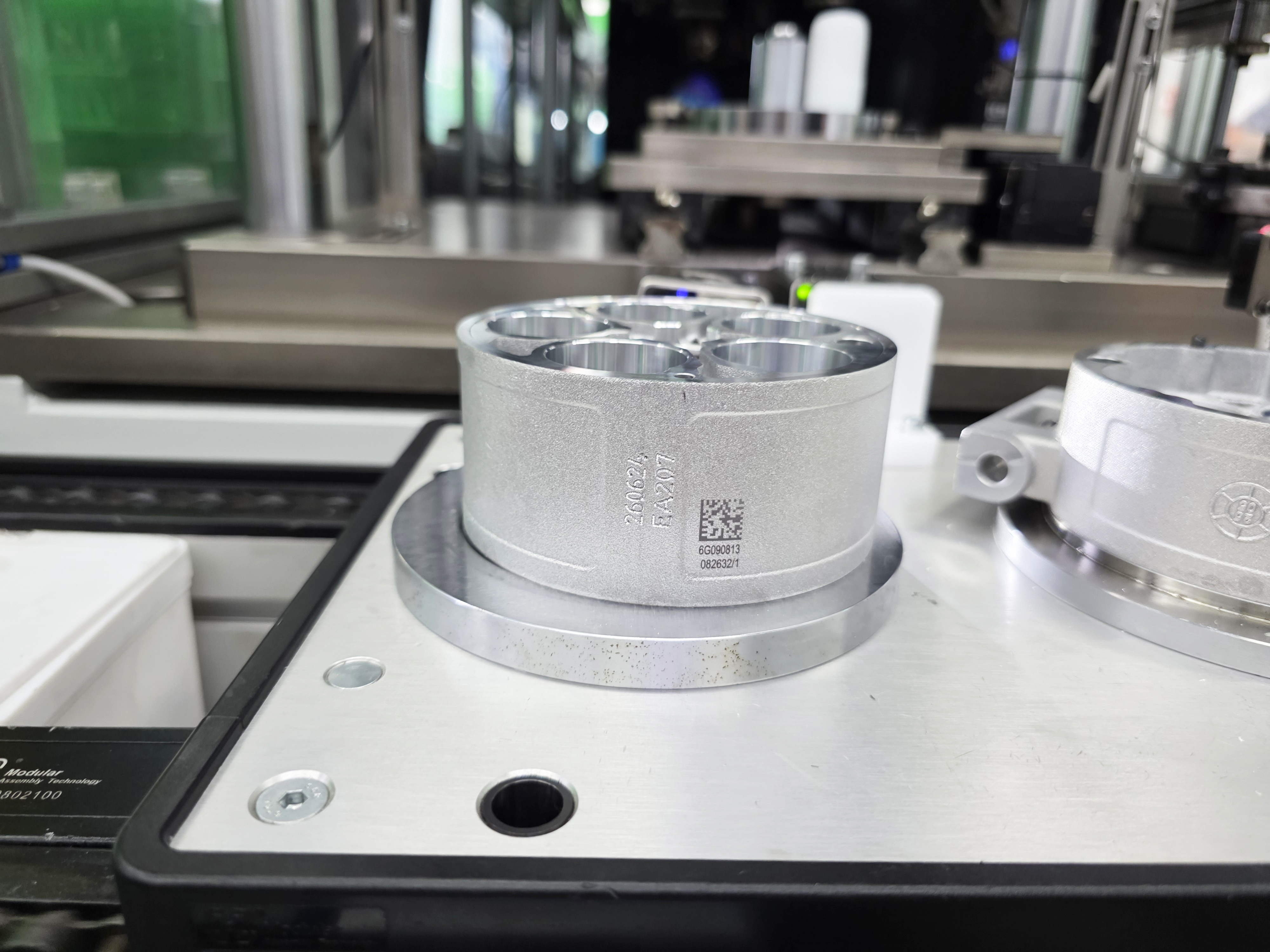
During the first assembly process, a permanent, unique QR code is engraved on the product’s cylinder block. This code contains the unit’s production date and serial number, and links all component information—including material receipt, warehousing, and processing—within the code. Scan operations are performed at all key production stages; equipment parameters, work records, and inspection data from each stage are linked to the unit’s QR code, ensuring the entire production process for each individual unit is fully documented and enabling one-click traceability.


VI. Final Scan of Finished Products: A Closed-Loop Production Process

In the final step before product packaging, a scan of the entire unit is performed to confirm completion. The system then marks the production process for that individual unit as fully concluded, completing the digital closed-loop process from raw materials to finished products.

A single QR code links the entire supply chain—from material receipt to warehousing, processing, manufacturing, assembly, inspection, and finished product shipment. All information—from supplier details at the source to the equipment, personnel, and inspection data for each production step—is permanently recorded, enabling closed-loop traceability throughout the entire lifecycle of each individual product. Every scan verifies quality, and every code embodies our commitment to rigorous product control. By building a robust quality defense through a digital code-based control system, we ensure traceable origins, controllable processes, and trackable destinations. Through fully transparent digital management, we deliver on DYNE’s promise of stringent and consistent quality.

The traceability system now spanning all of DYNE’s production lines has its roots in QR code technology, developed by Japan’s DENSO WAVE in 1994. Back then, to address the shortcomings in information storage for industrial components and overcome the capacity limitations of one-dimensional barcodes, DENSO WAVE developed the Quick Response (QR) code and chose to grant free access to its patent rights, enabling this technology to spread across global industries and everyday life. It is precisely this spirit of open innovation that has made QR codes the core medium for digital traceability in manufacturing, empowering Dain to establish a comprehensive digital control system across the entire production process. We pay tribute here to the DENSO team’s pursuit of innovation and selfless sharing—a small black-and-white grid that has redefined the path of global industrial digital management.


Leveraging a QR code-based digital identification system, DYNE Compressor implements coding, scanning, and information integration across the entire supply chain—from raw material intake to finished product shipment. This system integrates data across all stages—including procurement, warehousing, processing, assembly, and quality inspection—to enable precise, end-to-end traceability of components, tooling, workstations, and finished products throughout their entire lifecycle, thereby establishing a standardized, visual, and intelligent production management model.


I. Assigning QR Codes to Incoming Materials and Establishing Source Records

Once customer orders are entered into the system, purchase orders are automatically generated based on the product BOM. When externally procured materials arrive at the factory, they are uniformly assigned unique QR codes containing key information such as order number, product model, supplier, production batch, and quantity received, thereby completing the digital record-keeping of materials at the source. After incoming materials pass quality inspection, the data confirming their acceptance is synchronized and recorded with the corresponding QR code, ensuring that quality information is linked to and retained for the materials.


II. Code Replacement Upon Receipt and Binding to Storage Location Information
Materials that pass inspection are sorted and put into storage. Based on the storage bin and container, a new QR code is generated. The original material’s basic information is fully transferred, and new storage location data is added to accurately record the material’s storage location. QR code-based location management is implemented throughout the entire facility: warehouse shelf bin codes and floor codes for workshop storage areas. Both personnel and AGV equipment can scan these codes to pinpoint material locations, ensuring precise and efficient material retrieval and storage.


III. Scanning During Processing Steps to Record Comprehensive Processing Data
The system retrieves the materials required by the BOM based on production orders. Blanks for housings and structural components are assigned a bin code on a per-bin basis; scanning the bin code before and after processing completes the material information transfer. The new QR code automatically appends production process information such as the processing equipment number, operator, processing date, production batch, and process quality inspection data. Workshop tooling and fixtures are each assigned a unique QR code, enabling full lifecycle ledger management of tooling.


IV. Material Issuance Verification on the Production Line and Binding to the Final Product’s Production Batch
After the assembly workshop issues material requests, the corresponding storage locations in the warehouse automatically light up as a notification. Warehouse staff retrieve materials as needed based on production orders and print the corresponding material QR codes. Once materials are transferred to the assembly line, operators scan the codes to verify material matching against the production task order, simultaneously linking the component batch information to the production batch of the complete compressor unit, thereby eliminating issues such as incorrect or mixed materials.


V. Engraving a Unique Code on the Complete Unit, Linking Data Across All Processes for Traceability

During the first assembly process, a permanent, unique QR code is engraved on the product’s cylinder block. This code contains the unit’s production date and serial number, and links all component information—including material receipt, warehousing, and processing—within the code. Scan operations are performed at all key production stages; equipment parameters, work records, and inspection data from each stage are linked to the unit’s QR code, ensuring the entire production process for each individual unit is fully documented and enabling one-click traceability.


VI. Final Scan of Finished Products: A Closed-Loop Production Process

In the final step before product packaging, a scan of the entire unit is performed to confirm completion. The system then marks the production process for that individual unit as fully concluded, completing the digital closed-loop process from raw materials to finished products.

A single QR code links the entire supply chain—from material receipt to warehousing, processing, manufacturing, assembly, inspection, and finished product shipment. All information—from supplier details at the source to the equipment, personnel, and inspection data for each production step—is permanently recorded, enabling closed-loop traceability throughout the entire lifecycle of each individual product. Every scan verifies quality, and every code embodies our commitment to rigorous product control. By building a robust quality defense through a digital code-based control system, we ensure traceable origins, controllable processes, and trackable destinations. Through fully transparent digital management, we deliver on DYNE’s promise of stringent and consistent quality.

The traceability system now spanning all of DYNE’s production lines has its roots in QR code technology, developed by Japan’s DENSO WAVE in 1994. Back then, to address the shortcomings in information storage for industrial components and overcome the capacity limitations of one-dimensional barcodes, DENSO WAVE developed the Quick Response (QR) code and chose to grant free access to its patent rights, enabling this technology to spread across global industries and everyday life. It is precisely this spirit of open innovation that has made QR codes the core medium for digital traceability in manufacturing, empowering Dain to establish a comprehensive digital control system across the entire production process. We pay tribute here to the DENSO team’s pursuit of innovation and selfless sharing—a small black-and-white grid that has redefined the path of global industrial digital management.


Anhui Dyne Automotive Air Conditioning Co., Ltd.


DYNE official account


DYNE official account

Telephone counseling

0554-4506085

Email

sales01@chinadyne.net